
Keeping your boat clean not only helps it look good, but it also protects your investment and makes time on the water way more enjoyable. I’ve picked up a bunch of handy DIY boat cleaning tips over the years, and I’ve found that a little effort and the right approach can go a long way. With the right tools and some ecofriendly solutions, it’s totally doable to keep your boat in great shape without relying on harsh chemicals or hiring expensive detailing services. Here are my go-to strategies for cleaning your boat on your own and keeping things shipshape all season long.
Ecofriendly Cleaning Solutions for Boats
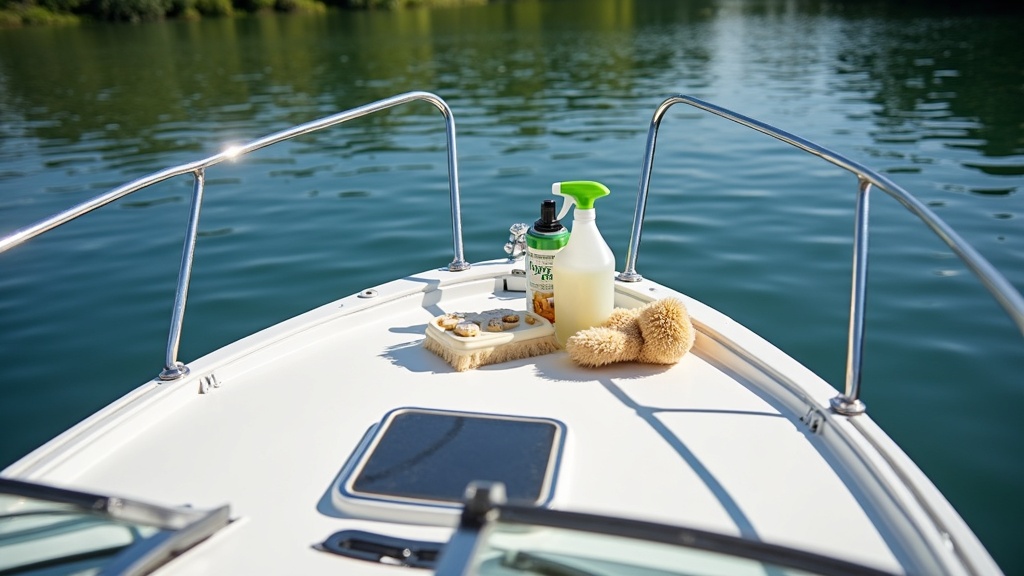
Choosing cleaning products that are gentle on marine life makes a real difference. Boats end up in rivers, lakes, and oceans, so whatever gets washed off can end up in the water. I always look for cleaning agents labeled as biodegradable and made specifically for marine use. A few favorite brands, like Better Boat and Star brite’s Sea Safe line, are worth checking out. These break down naturally and don’t add harsh chemicals to the water.
If you want to stick with things you already have at home, household staples like white vinegar, baking soda, and lemon juice work surprisingly well on most boat messes. For example, white vinegar is a champion at removing mildew from seats or getting rid of tough water spots. Baking soda handles gentle scrubbing jobs, while a bit of lemon juice works on stains and odors. Mixing up your own cleaner from these ingredients saves money and helps reduce your environmental footprint.
Plus, homemade cleaners can be safer for kids and pets around the boat. For a simple allpurpose spray, mix equal parts white vinegar and water in a spray bottle. This cuts through grime, mildew, and odors with ease. For an abrasive cleaner, sprinkle baking soda on a damp sponge or cloth to scrub away dirt without scratching surfaces.
Pre-Cleaning Routines: Prepping Your Boat for a Deep Clean
A solid rinse before you break out any cleaner makes things so much easier. I always start by giving the entire hull, deck, and all surfaces a thorough rinse with fresh water, especially after time in saltwater. This removes loose dirt, grime, and salt. That way, you’re not just rubbing grit around while you scrub. If you’re at a marina with a wash-down station, using their setup helps keep soap and residue from draining into the water.
Catching dirt at the source saves a lot of scrubbing later. After every trip, a quick rinse and dry with a microfiber towel stops buildup before it starts. Regular light cleaning means you’ll spend less time on big, heavy duty sessions down the road.
DIY Boat Cleaning Step-by-Step
I break the job into manageable chunks, going from top to bottom so dirty water runs down and doesn’t make clean parts dirty again. Here’s the stepby-step routine that keeps things simple:
- Rinse Thoroughly: Spray off dirt, salt, and debris with fresh water before applying any cleaning solutions.
- Apply Cleaner: Use a soft brush or a sponge to spread your cleaner (storebought or homemade) across the surface.
- Scrub Gently: Work in small sections, using softbristled brushes for textured decks and microfiber cloths for delicate surfaces.
- Rinse Again: Don’t let soap dry. Hose off each cleaned section with fresh water as you go.
- Dry Thoroughly: Wipe everything down with a dry towel or chamois to avoid water spots and streaks.
If you have stubborn areas with mold or mildew, a 50/50 mix of white vinegar and water usually does the trick. Apply the mixture, let it sit for 10-15 minutes, then scrub and rinse. For lighter stains or routine wiping, a dash of dish soap in warm water is usually strong enough. No need for bleach or ammonia; those can damage finishes and are rough on aquatic life.
Top Tips for Spot-Specific Cleaning
- Upholstery and Vinyl: Spray with the vinegarwater mix, scrub with a soft brush, and rinse. For tough spots, sprinkle a little baking soda and use a damp cloth. Follow up with a UVprotectant spray to stop sun damage.
- Deck and Nonskid Surfaces: Gentle scrubbing with a deck brush and a biodegradable cleaner lifts dirt without scratching. Avoid wire brushes; they leave marks and can gouge nonslip finishes.
- Windows and Clear Covers: Use warm water and a soft sponge or microfiber towel. Vinegar cuts through fogging easily. Stay away from window cleaners with ammonia since those can damage plastics.
- Metal and Hardware: Lemon juice and baking soda brighten up stainless steel railings and cleats. Polish with a clean rag for a nice shine.
Paying special attention to different surfaces keeps your boat looking nextlevel cool and running smoothly. If you notice any persistent stains, track down the cause as soon as possible. For tricky spots, sometimes you need to let a cleaner soak for a few minutes before wiping. Never rush scrubbing spots on windows or vinyl, since those scratch fast if you’re too rough.
Protective Measures After Cleaning
A coat of marine safe wax on your hull is pretty handy. This adds a glossy finish while also repelling dirt, algae, and salt. Waxing a couple times each season makes cleaning easier because stuff doesn’t stick as much. Make sure you pick a wax marked as environmentally friendly or biodegradable if you plan on any work near water.
For metal, applying a little corrosionblocking spray or polish helps keep rust and stains away, especially on cleats, rails, and hardware that see lots of splashes. On vinyl and upholstery, a UVprotectant product keeps colors from fading and material from cracking. Basically, putting down these protective layers can save you a ton of time later on.
Tools and Supplies I Always Keep on Hand
Having the right tools ready makes cleaning a boat much faster. Here are my boat cleaning regulars:
- Softbristled brush for decks and hulls
- Microfiber towels or chamois for drying and delicate cleaning
- Biodegradable boat soap or homemade ecofriendly cleaner
- Spray bottles (for vinegar or custom mixes)
- Bucket for mixing and carrying solutions
- Nonscratch sponges for tight spots
- Waterconserving spray nozzle with a trigger handle
- Small portable vacuum for crumbs or sand in cabins
Don’t forget a few absorbent pads or mats to contain rinse water and stop dirty runoff from flowing directly into the lake or marina. Some marinas have rules requiring a wash mat or basin, so it’s worth asking before doing a full clean dockside. Mats also make it easy to mop up spills and keep your dock neighbors happy.
Common Challenges and How to Handle Them
- Mildew: Stays away best if you always dry things after cleaning and keep storage areas well ventilated. If mildew shows up, treat it with vinegar right away so it doesn’t spread around.
- Water Spots: A rinse and dry after every trip keeps spots from hardening. Vinegar works on stubborn spots, but regular wiping usually prevents them from building up in the first place.
- Salt Buildup: Frequent freshwater rinses are your friend, especially after ocean outings. Salt can corrode metal fast if left alone, so a good rinse after use is the best way to keep hardware shipshape.
- Runoff and Wastewater: Always clean away from the water if you can. Toys, pets, and other distractions can knock cleaning buckets over, so contain wastewater with mats or buckets. It’s really important not to let dirty soapy water run into the water, both for the environment and local rules.
Staying sharp about these common boat cleaning issues helps you keep things looking and working great year round. If you run into something tricky, sometimes checking out boating forums can point you to solutions others have found—learning from other boaters is part of the adventure.
Choosing Cleaners: What to Avoid
Some cleaners just aren’t made for boats or the water. Products with bleach, ammonia, heavyduty degreasers, or harsh solvents can damage boat finishes and harm fish and plants. If you’re ever not sure about a product, check if it’s marked as marinesafe or look closely at the ingredients. Oxygenbased cleaners are usually a good bet for tackling stains without the drawbacks of bleach.
Even some heavyduty cleaning pads can leave microplastics behind, so I stick with reusable cloths, gentle scrubbers, and natural sponges where possible. This approach helps keep the water cleaner and reduces disposable waste.
Staying Ahead of Maintenance with Small, Regular CleanUps
The easiest boat cleaning tip I can share is to rinse and dry everything after each outing. Even just a quick wipedown plus a rinse for the hull and seats can prevent grime from building up. Staying ahead of dirt means you don’t need to do as many long deep cleans. Storing your boat under cover also makes a huge difference, keeping bird droppings, leaves, pollen, and dust off while it’s parked.
Why wait for a mess? A twominute tidying routine right after you dock means fewer stains, less mildew, and less work later. If you use your boat often, setting aside ten minutes a week to look over the interior and exterior can help you spot early signs of trouble and handle them before they get worse.
For those with families or guests, encouraging everyone to rinse their feet before hopping aboard reduces tracked in sand and dirt. Keeping a set of labeled cleaning supplies on the dock or in a storage box makes spontaneous wipe downs a breeze.
DIY Boat Cleaning FAQs
Question: What’s the best way to clean boat seats without damaging them?
Answer: Use a vinegarandwater solution (50/50 mix) and a soft brush, then rinse and dry. Finish with a UVblocker made for marine vinyl to prevent cracks and fading.
Question: Can I use regular household soap on my boat?
Answer: Mild dish soap can work in a pinch, but marine grade biodegradable soaps are safer for the environment and a little gentler on surfaces.
Question: How should I clean my boat’s windows and clear vinyl without scratching?
Answer: Always use a soft, clean towel (microfiber works great) with warm water or a vinegarwater mix. Avoid paper towels and regular window sprays, which can damage plastic.
Question: How do I prevent rust on boat hardware?
Answer: Keep all metal parts rinsed and periodically touched up with a marinesafe polish or corrosionblocking spray. Store away from saltwater spray if possible.
Keeping up with DIY boat cleaning not only keeps your ride looking sharp but helps it last longer and run better on the water. With the right supplies and some regular attention, it’s totally possible to manage routine cleaning yourself, instead of relying on harsh products or costly services. Your boat, your way, all season long—and all it takes is a handful of habits, a few ecofriendly products, and a little bit of creative effort.