Smart life jackets have become a game-changer in maritime safety. These sleek, tech-infused lifesavers are bridging the gap between traditional personal flotation devices and cutting-edge technology. It’s fascinating to see how much safer the seas have become thanks to these innovations.
The journey from conventional life jackets to these modern marvels is truly remarkable. Remember the chunky, uncomfortable life vests of yore? Today’s versions combine comfort with high-tech functionality, ensuring you’re not only safe but also snug while out on the water.
The market for smart life jackets is experiencing an impressive boom, fueled by increasing awareness and concern for safety. Organizations are constantly innovating, and we’re seeing growth in demand for these life jackets as more people realize their potential benefits.
Safety before anything else, right? That’s what this tech aims to ensure. Whether you’re a sailor, fishery worker, or just enjoying a boat ride, having a smart life jacket means placing your safety in the hands of the most advanced technology around.
At the heart of this innovation lies the mission of protecting lives and preventing tragedies on the water. This involves more than just having a jacket; it’s about equipping individuals with the best possible tools to ensure their safety.
GPS Tracking: Revolutionizing Real-Time Rescue Operations
GPS technology in smart life jackets is a true lifesaver. Imagine being able to pinpoint a location instantly during an emergency. This real-time trackability is what makes GPS a crucial component in maritime safety gear.
When every second counts, knowing exactly where someone is can determine the outcome of a rescue mission. GPS-equipped jackets send precise locations to rescuers, significantly cutting down response times and increasing the chances of a successful operation.
Avoiding complex scenarios is essential when it comes to emergencies. GPS simplifies this by providing direct and accurate location data—no more guesswork or delay. It’s a straightforward solution to a critical need.
There are already numerous stories where lives were saved thanks to GPS tracking in these jackets. They have proven to be vital in moments of crisis, changing unfortunate situations into rescue successes.
Regulations and mandates are increasingly requiring GPS technology in maritime safety equipment. This shift is part of a broader movement towards integrating advanced technologies in safety protocols, ensuring that help is just a signal away. By staying in tune with these advancements, you’re making a thoughtful choice to prioritize safety.
IoT and Water-Activated Distress Signals: A Seamless Quest for Safety
The Internet of Things, or IoT, has woven its way into so many aspects of life, and maritime safety gear is no exception. By connecting smart life jackets to a network, IoT enhances communication and response efficiency.
Imagine the power of automated alerts sent directly to rescue teams without any manual input. That’s the magic of IoT in smart life jackets. It ensures data such as location and status are transmitted in real-time, allowing for quicker reaction and better-coordinated rescue efforts.
Submersible distress signals add another layer of protection. These signals kick into action as soon as a jacket’s submerged, automatically sending out SOS alerts. That’s like having an invisible hand ready to assist when needed.
Having this tech on your side means not having to worry about making a distress call yourself if a sudden incident occurs. Automated alerts mean no time is wasted, and rescuers get the data they need when they need it most.
IoT applications are expanding in the maritime realm, with smart life jackets at their forefront. This innovation drives significant improvements in safety standards, demonstrating the transformative power of technology in preserving lives on the water.
 www.smrtsos.com
Advanced Technologies: AIS, VHF DSC, and Sensor-Equipped Wristbands
Incorporating advanced tech like AIS (Automatic Identification System) and VHF DSC (Very High Frequency Digital Selective Calling) into life jackets is like giving them a superhero upgrade. These features empower them to broadcast crucial distress signals to nearby vessels.
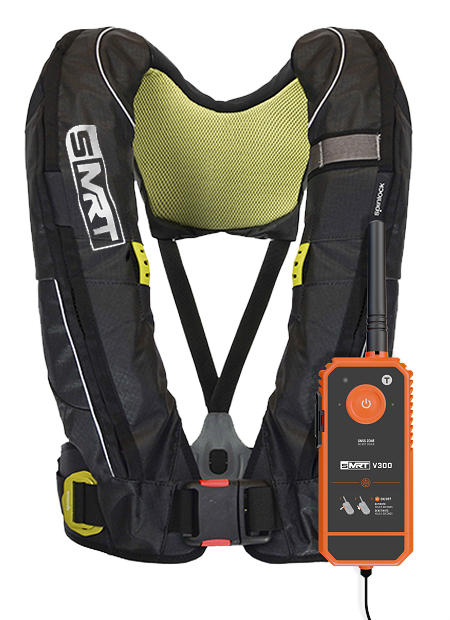
Take the sMRT ALERT device, for instance. It’s renowned for its top-notch ability to send out location and emergency signals quickly and widely. This is exactly what you need when every passing second counts out on the water.
Sensor-equipped wristbands are another nifty addition to the smart life jacket family. They detect emergencies on the spot and automatically trigger alerts, which means even more ways to ensure you’re not left vulnerable.
Integrating such sophisticated technologies isn’t without its challenges. Signal transmission over long distances or across harsh sea conditions can test even the best of systems. However, ongoing innovations continue to address these hurdles, making these devices more reliable and effective.
Being aware of the latest in maritime safety technology means you’re equipping yourself to stay as safe as possible on the water. Embracing these advancements reflects a proactive approach to navigating the water with confidence and security.
LoRa-Based Communication: Long Range, Widespread Safety
LoRa-based communication is all about extending the safety net far and wide. It offers another superpower for smart life jackets—allowing them to communicate over long distances, up to 15 kilometers. That’s a huge bonus for people working in remote areas or out at sea.
This technology is a game-changer for small-scale fishermen who often venture far from shore. It keeps them connected, ensuring help is always within reach even when they’re miles away. It’s about keeping safety within grasp no matter where your maritime adventures take you.
LoRa’s capability shines in scenarios where traditional communication might falter. Its long-range nature means even if you’re far away from regular rescue operations, the signal can still reach help.
The future for LoRa in maritime technology looks bright. There’s so much potential for even more innovations that can further enhance its applicability and reliability. As advancements continue, this could redefine what’s possible in keeping people safe on the water.
Being familiar with advancements like LoRa-based communication means you’re clued in to what could be a vital part of maritime safety. It’s like adding another layer of assurance, knowing there’s a reliable communication channel tailored for vast, open waters.
Every time you go out on the water, be sure to look over your safety gear, including your vessels life jackets to ensure they are in good condition, and they are ready to spring into action should the need arise.